




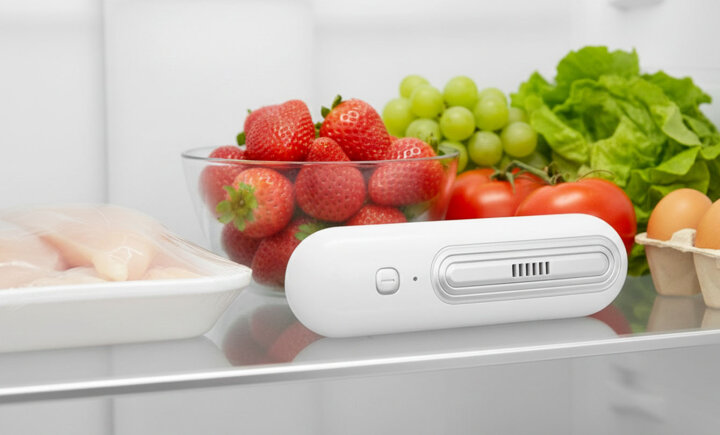
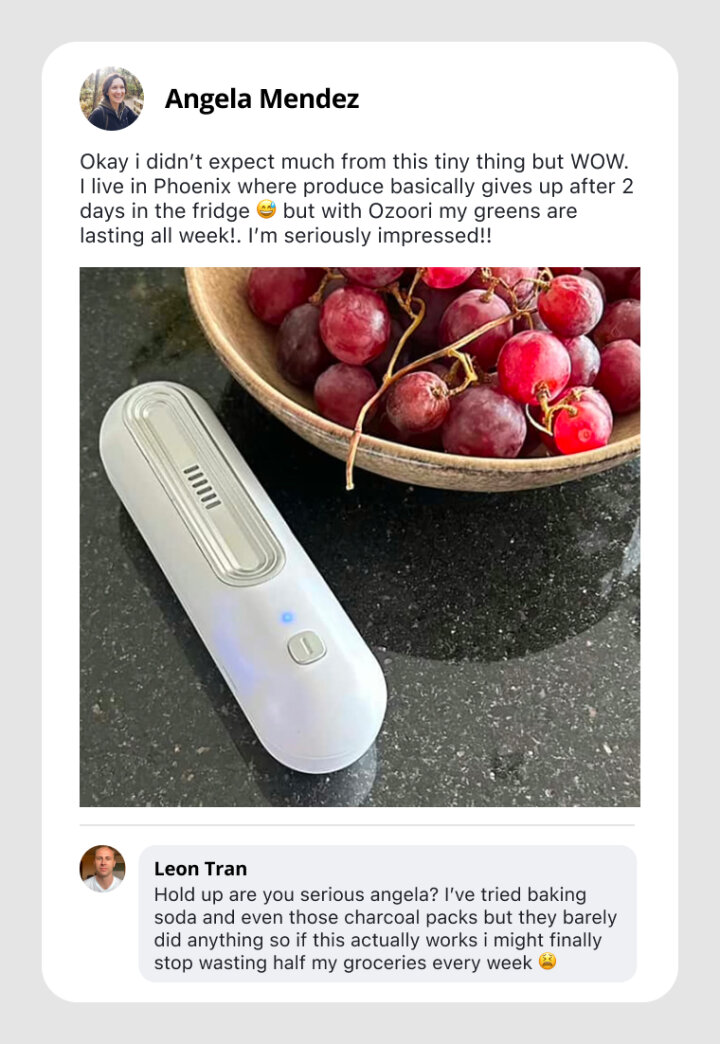
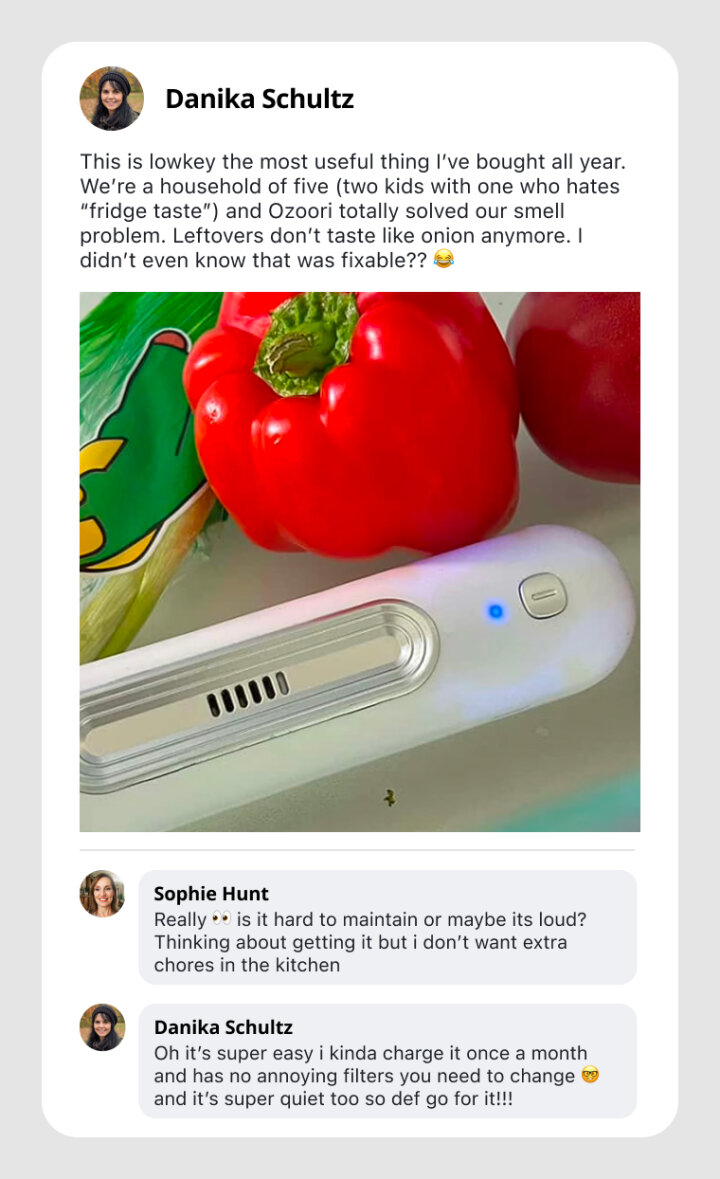
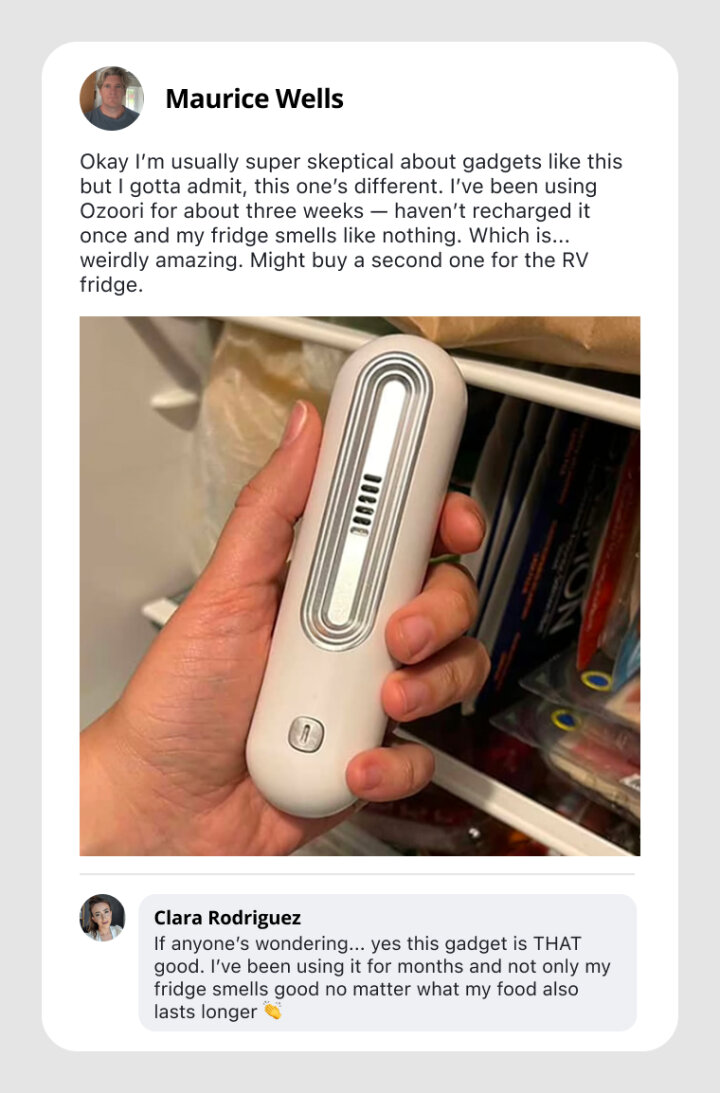
I always thought I was good with money. I bought store brands, clipped coupons and planned our meals every Sunday. And still, our grocery bill crept up month after month. So I tried a little experiment. For one month, every time something went into the trash uneaten, I wrote down what it cost. Half a bag of spinach that turned slimy. A $5.99 carton of strawberries that went fuzzy before anyone touched it. Cilantro. The last of a rotisserie chicken nobody wanted. A block of cheese with a moldy corner. By the end of the month, the total was just over $200. I had to read it twice. That’s money we earn, spend, carry home, put in the fridge… and then put in the trash. When I looked at my list, one thing jumped out: most of it was fresh produce. The expensive, healthy stuff. Here’s something I didn’t know. Many fruits and vegetables, like apples, bananas, tomatoes and avocados, give off a natural ripening gas called ethylene. In a closed fridge, it builds up and speeds up ripening for everything stored nearby, including leafy greens, berries and broccoli. Add lingering odors and humidity, and you get what I call the “Wednesday mush”: groceries you bought on Saturday that are already on their way out by midweek. Crisper drawers and a box of baking soda don’t do much about the air itself. And every midweek trip to replace spoiled food usually came with a few impulse buys too. I mentioned my trash log to my neighbor Lauren, who is easily the most frugal person I know. She just pointed at her fridge and said, “You don’t have one of these?” It was a small device sitting on the shelf called Ozoori. It’s rechargeable, has no filters or refills to buy, and runs quietly inside the fridge. It’s designed to neutralize odors and help break down ethylene in the fridge air, so produce isn’t sitting in a cloud of ripening gas. My first thought was, great, another gadget. My second thought was the math. If it saved even one bag of salad and one carton of berries a week, it would pay for itself in about two months. So I ordered one. Setup took a couple of minutes. I charged it, put it on the shelf and pressed the button. Then I kept my trash log going for another month to see if anything actually changed. Produce stopped “dying” midweek. Spinach and berries that used to be done by day three were still good much later in the week, so we actually ate them. Fewer emergency grocery runs. Less spoiled food meant fewer midweek trips, and fewer of the impulse buys that always came with them. Leftovers actually got eaten. They didn’t pick up that stale “fridge taste” anymore, so nobody turned their nose up at them. No ongoing costs. No filters, no refills, nothing to keep buying. I just recharge it. The fridge smells like nothing. Not perfume, not chemicals. Just neutral. My second month’s trash log was noticeably shorter, and most of what was left was food I’d simply forgotten about. That part’s on me. I’m not the only one who’s noticed a difference. Here’s what other Ozoori owners have shared: You can’t control grocery prices. But you can control how much of what you buy ends up in the trash. Ozoori is small, simple, has no running costs, and keeps the air in your fridge fresh, which means more of your groceries make it to the plate. Right now, Ozoori is listed at $49.99 per unit on the official website. The better deal is the 3-pack bundle at $34.95 per unit, and larger bundles offer even greater savings. One for the main fridge, one for the garage fridge or freezer, and one for a gift. Prices are as listed on the official site at the time of writing and may change. Order from the official website to avoid knockoffs.Why Your Food Goes Bad Faster Than It Should
The $50 Gadget I Was Skeptical About
What Changed After a Month
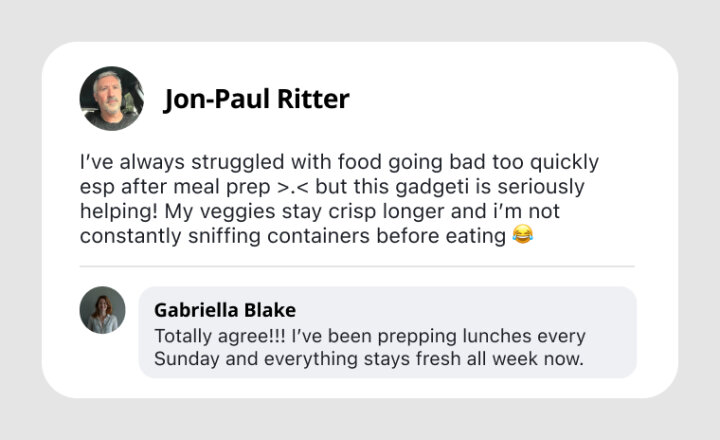
What Other Ozoori Owners Are Saying
The Bottom Line: Stop Paying for Food You Throw Away
Customer Ratings
Average based on 1,826 reviews
 Excellent


order was super easy, showed up faster than i thought and now it’s like nothing smells at all in my fridge and my kids dont complain about their lunches smelling weird lol i’m obsessed